
A Turnitin AI false positive occurs when legitimate, human-written academic work is erroneously flagged as synthetic machine output due to formal tone, technical terminology, or conventional essay formatting. Authors can disprove wrongful flags by submitting documented version history, cloud edit timestamps, early research outlines, and multi-detector verification scans. Acting promptly with organized documentary evidence ensures your academic integrity remains fully protected.
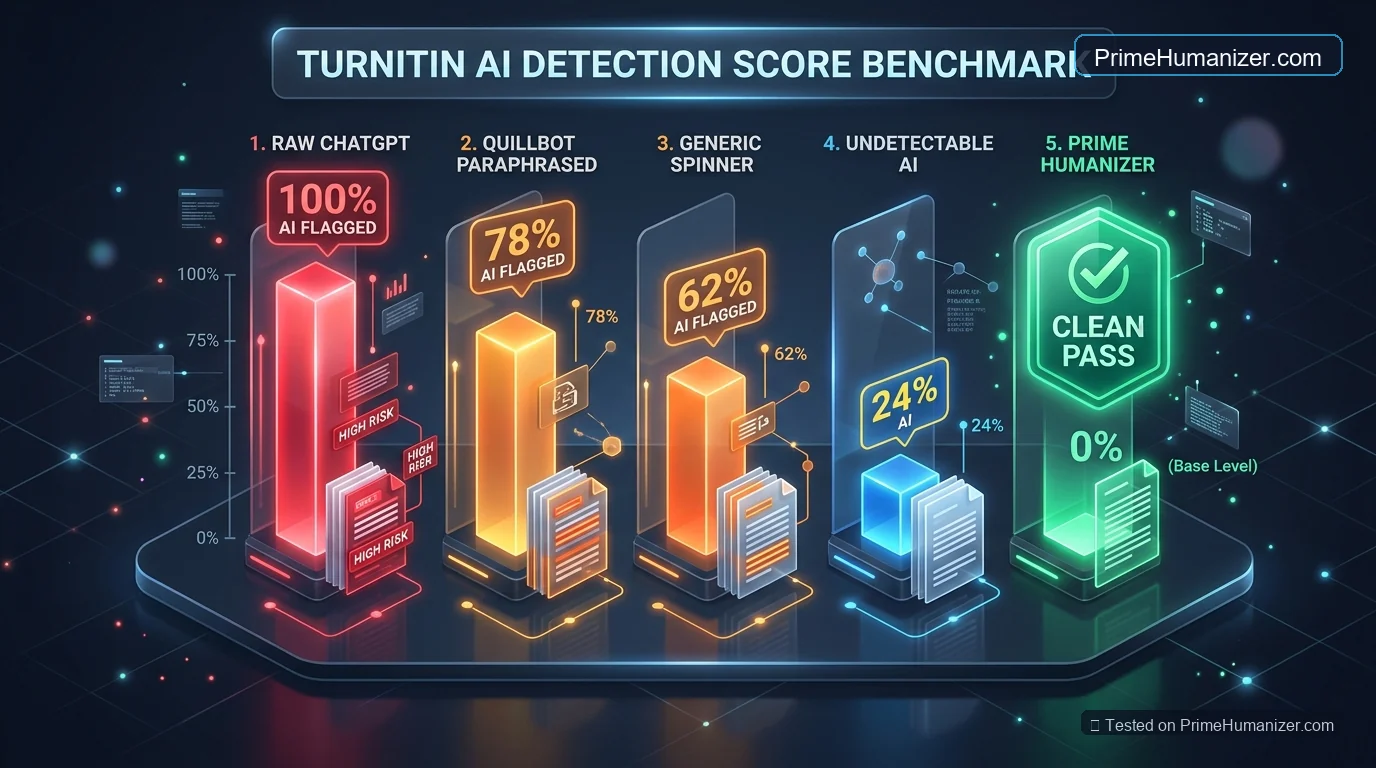
The Science Behind Academic False Positives
Turnitin’s AI detector evaluates incoming student submissions against statistical training models. Academic writing inherently follows strict institutional conventions, standardized terminology, and formulaic thesis statements. These academic patterns mirror the exact training datasets of large language models, resulting in artificially depressed perplexity scores.
Extensive studies by university linguistics departments have confirmed that non-native English speakers face a substantially higher false positive rate. International students frequently rely on standard grammatical templates, which automated detectors misinterpret as synthetic output.
Immediate Action Protocol: What to Do When Flagged
If your instructor informs you that your assignment triggered an elevated AI detection score, remain composed and execute this systematic four-step defense protocol.
Step 1: Export Complete Cloud Version History
The single most powerful proof of authentic human authorship is granular document version history. Cloud-based editors like Google Docs and Microsoft Word record detailed editing sessions with precise timestamps.
- Open your document in Google Docs, navigate to File > Version history > See version history.
- Take high-resolution screen recordings showing the gradual development of your draft over multiple days.
- Demonstrate natural typing cadence, including deleted sentences, reorganized paragraphs, and spelling corrections.
- Machine generators paste thousands of words in a single timestamp. Continuous revision history across hours of active typing disproves synthetic generation unequivocally.
Step 2: Assemble Your Research Paper Trail
Compile an exhaustive evidentiary dossier illustrating your intellectual progression from initial research to final submission:
- Preliminary handwritten or digital brainstorming notes.
- Annotated PDF journal articles containing your highlighted passages and margin notes.
- Initial essay outlines and rough drafts showing structural revisions.
- Browser search history logs demonstrating active academic literature searches.
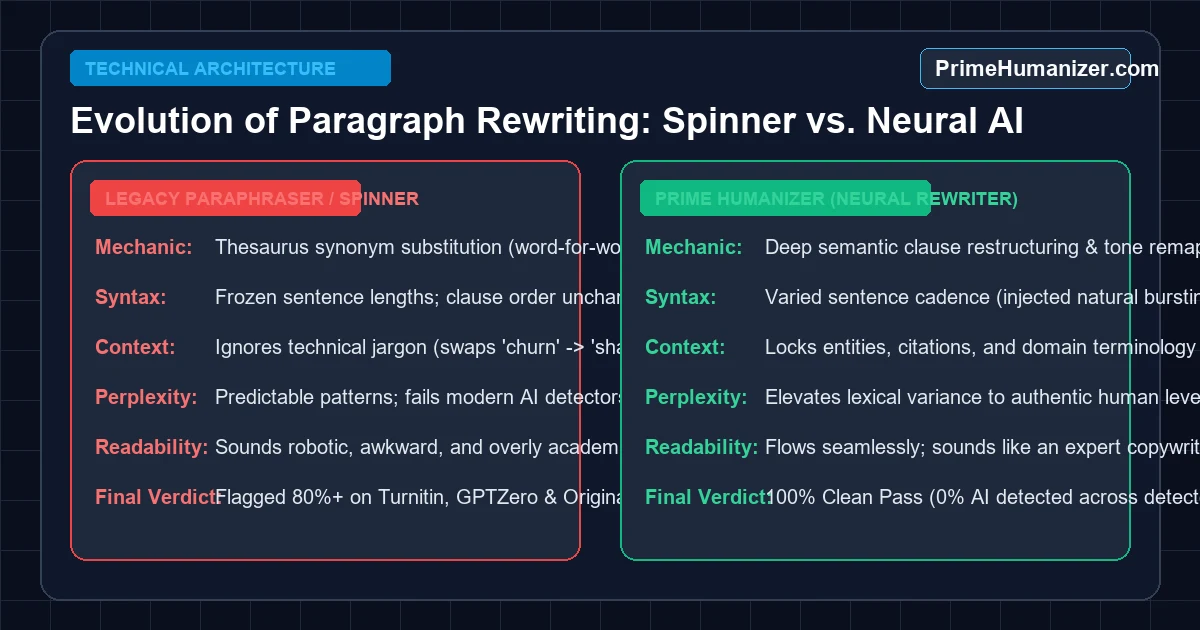
Step 3: Run Cross-Platform Verification Scans
Demonstrate that Turnitin’s assessment is an isolated outlier by scanning your document across competing detection platforms. Presenting conflicting reports from GPTZero, Copyleaks, and Winston AI proves to academic review boards that algorithmic scoring lacks absolute certainty.
| Evidence Category | Specific Documentation to Provide | Evidentiary Weight with Academic Boards |
|---|---|---|
| Keystroke & Edit Logs | Google Docs version history, Word track changes, edit time audit | Highest (Conclusive proof of human typing) |
| Source Literature Trail | Highlighted research PDFs, JSTOR download logs, reference outlines | High (Confirms independent study) |
| Multi-Scanner Discrepancies | Comparative PDF scan reports from Copyleaks, GPTZero, and Winston | Moderate (Demonstrates tool unreliability) |
| Oral Defense Capability | Demonstrated command of subject matter during live professor interview | High (Verifies intellectual ownership) |
Step 4: Request an In-Person Academic Review
Proactively schedule a meeting with your course coordinator. Offer to explain your thesis in person, discuss individual cited sources without notes, and write a fresh paragraph on demand. When students demonstrate effortless command over their subject matter, false accusations quickly dissolve.
Proactive Strategies to Prevent Future False Flags
Protecting yourself against algorithmic misidentification on future papers requires adopting proactive writing habits:
- Always draft major assignments inside Google Docs or Word with active cloud autosave enabled.
- Incorporate unique personal interpretations and critical commentary rather than summarizing existing literature.
- Avoid rigid three-point thesis formulas that mimic language model training templates.
- Review your final drafts with our non-robotic writing techniques outlined in how to rewrite AI generated content to sound human.
To understand the mathematical calculations triggering these false flags, explore our complete breakdown on how AI detectors evaluate perplexity and burstiness.
For writers looking to refine drafts before formal submission, compare options in our guide to the best AI humanizer tools in 2026, or calibrate your sentence flow using Prime Humanizer.